
AI Receptionist for Plumbing Services: Stop Losing Jobs to Missed Calls
AI Receptionist for Plumbing Services: Stop Losing Jobs to Missed Calls
This is part of our complete AI Receptionist guide for service businesses.
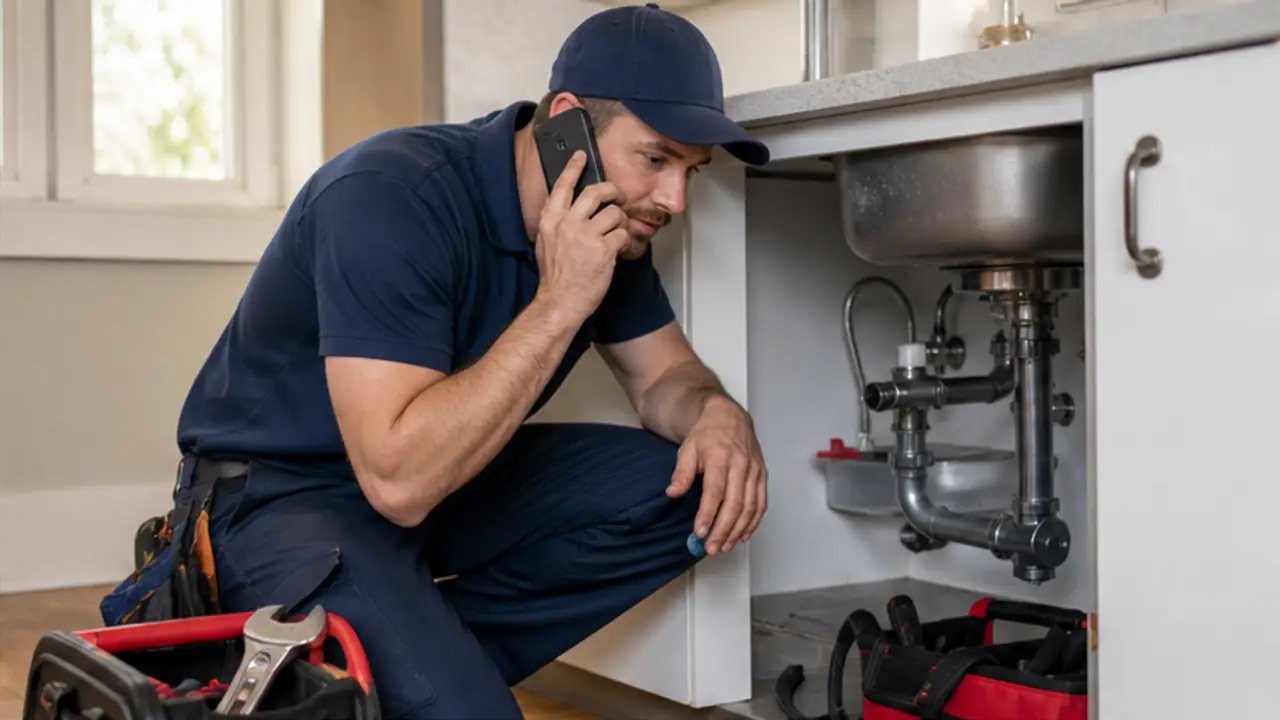
A customer with a burst pipe at 7 PM calls the first plumber they find. If nobody answers, they call the next one. A large share of plumbing calls come after hours, and many go unanswered. That’s leads going straight to a competitor.
Stop losing plumbing jobs to voicemail. Try NZ Leads free and answer every call in under 2 seconds, 24/7.
How much do missed calls cost plumbers?
More than most trades. Plumbing work is urgent by nature. A flooded basement, a dead water heater, a sewage backup. Customers call, and if you don’t pick up, they move on immediately.
Calls come in around the clock: business hours, evenings, late nights, and weekends. Business-hours calls have the best chance of reaching someone. Evening, late-night, and weekend calls are the ones most likely to hit voicemail.
The highest-value calls (evenings, weekends, emergencies) are the ones you miss most. Emergency jobs are often among your biggest tickets. Multiply your average emergency job value by the emergency calls you miss each month to see what you’re leaving on the table.
What does an AI receptionist do on a plumbing call?
It answers instantly, asks the right diagnostic questions, and books the appointment. Your tech gets a full job brief before they show up.
A typical call goes like this: the customer says their water heater stopped working. The AI asks whether it’s gas or electric, how old it is, and what they’ve already tried. Based on the answers, it offers same-day or next-morning slots. Customer picks a time, confirms the address, and the tech gets notified with full details.
By the time your plumber arrives, they already know:
- Type of issue and diagnostic indicators
- Equipment brand and age (if relevant)
- Whether the problem is getting worse
- Access details (gate codes, dogs, unit number)
- What the homeowner has already tried
No long intake conversation on-site. Your tech can start working immediately.
How does it handle real plumbing emergencies?
The AI triages by severity and acts accordingly.
Active emergencies (flooding, gas smell, sewage backup): flags the call as emergency, sends an immediate SMS to your on-call tech, walks the customer through shutting off the water main, and books the fastest available slot.
Same-day urgent (no hot water, running toilet, slow drain): books same-day or next-morning and collects diagnostic details so your tech arrives prepared.
Routine work (fixture replacement, water heater service, inspections): books the next available slot based on customer preference and captures the full job scope.
Does it work with plumbing CRM software?
Yes. Every call the AI books flows directly into your existing system:
| CRM type | What syncs |
|---|---|
| Flat-rate all-in-one CRM (unlimited users) | Contact, pipeline, and automation trigger |
| Per-seat enterprise CRM | Customer and job creation via webhook, full lead record with call notes |
| Field service management platform (per-tech pricing) | Customer + job, auto-assigned to tech |
| Lightweight dispatch tool | Customer profile and job booking |
| Google Calendar | Appointment sync |
No manual data entry. The booking goes from the AI call into your dispatch queue automatically.
Does it cover leads beyond phone calls?
It works as one AI answering service across phone and supported messaging sources. Phone calls use the AI voice agent. For Yelp messages, the AI creates a job-specific response in under 2 seconds. Other messaging sources get an instant reply.
One setup handles all of it. A plumbing call at 10 PM gets the same response quality as a Yelp message at 2 PM.
What does an AI receptionist cost for plumbers?
- Voice receptionist: $10/month per phone number plus $1/minute of call time
- Example monthly cost: 60 calls at 3 minutes each = 180 minutes = $180, plus $10 for the number
- Yelp/Thumbtack text auto-response: $99/month each
Plug in your own call volume and call length. One converted emergency call can cover a month of voice minutes.
If you want to see how this works for your plumbing business, try NZ Leads free and set it up in under 2 minutes.
Common Questions About an AI Receptionist for Plumbing Services
Will customers know they’re talking to an AI?
Yes. The NZ Leads agent introduces itself as an AI assistant for your business and answers honestly if a caller asks whether it is AI. The voice still sounds like a trained intake person - natural pacing, no robotic delivery - so callers get a clear answer and a smooth conversation instead of a robotic menu.
Can it dispatch to my on-call tech for emergencies?
Yes. Define your on-call rotation (or pull from your CRM), and the AI sends an SMS or call to the right tech the moment it tags a call as an active emergency. Dispatch to your on-call tech is immediate, the moment the customer hangs up.
Does it handle Spanish-speaking customers?
Yes. The receptionist supports English, Spanish, and 30+ other languages. Customers in California, Texas, Florida, and the Southwest particularly benefit, because Spanish-speaking callers can be served in their own language instead of hanging up.
What happens during calls the AI can’t handle?
It transfers. Set the rules: complex commercial work, insurance claims, jobs above a price ceiling, or any call where the customer asks for a person - the AI hands the call to your dispatch line or a specific staff member. The customer doesn’t get stuck.
Can it follow up on quotes that didn’t book?
Yes. Any call that ends without a booking goes into a follow-up queue. The AI sends a text within 24 hours referencing the actual conversation (“Hi John, you called yesterday about the water heater quote - still want me to lock in Friday?”).
How does it handle Google Local Service Ads (LSA) calls?
The receptionist can use the supported Google LSA lead event to qualify the request and offer a booking step. See the LSA auto responder guide for the source-specific workflow.
If you want to see how this works for your plumbing business, try NZ Leads free and set it up in under 2 minutes.
Related reading: